
How to Know If Hair Restoration Services Are Right for You
Hair restoration services have garnered significant attention due to their potential to address hair loss, a prevalent concern affecting millions worldwide. With advances in medical technology, individuals facing hair thinning and baldness can explore robust solutions, allowing them to potentially restore both hair and confidence. Understanding the nuances of these services can empower individuals to make well-informed decisions tailored to their needs. Whether you're noticing the first signs of thinning hair or exploring long-term treatment options, knowing what to expect can help you choose the most appropriate path forward. This guide aims to illuminate the world of hair restoration services, providing essential insights for those contemplating this transformative journey.
Understand What Hair Restoration Services Include
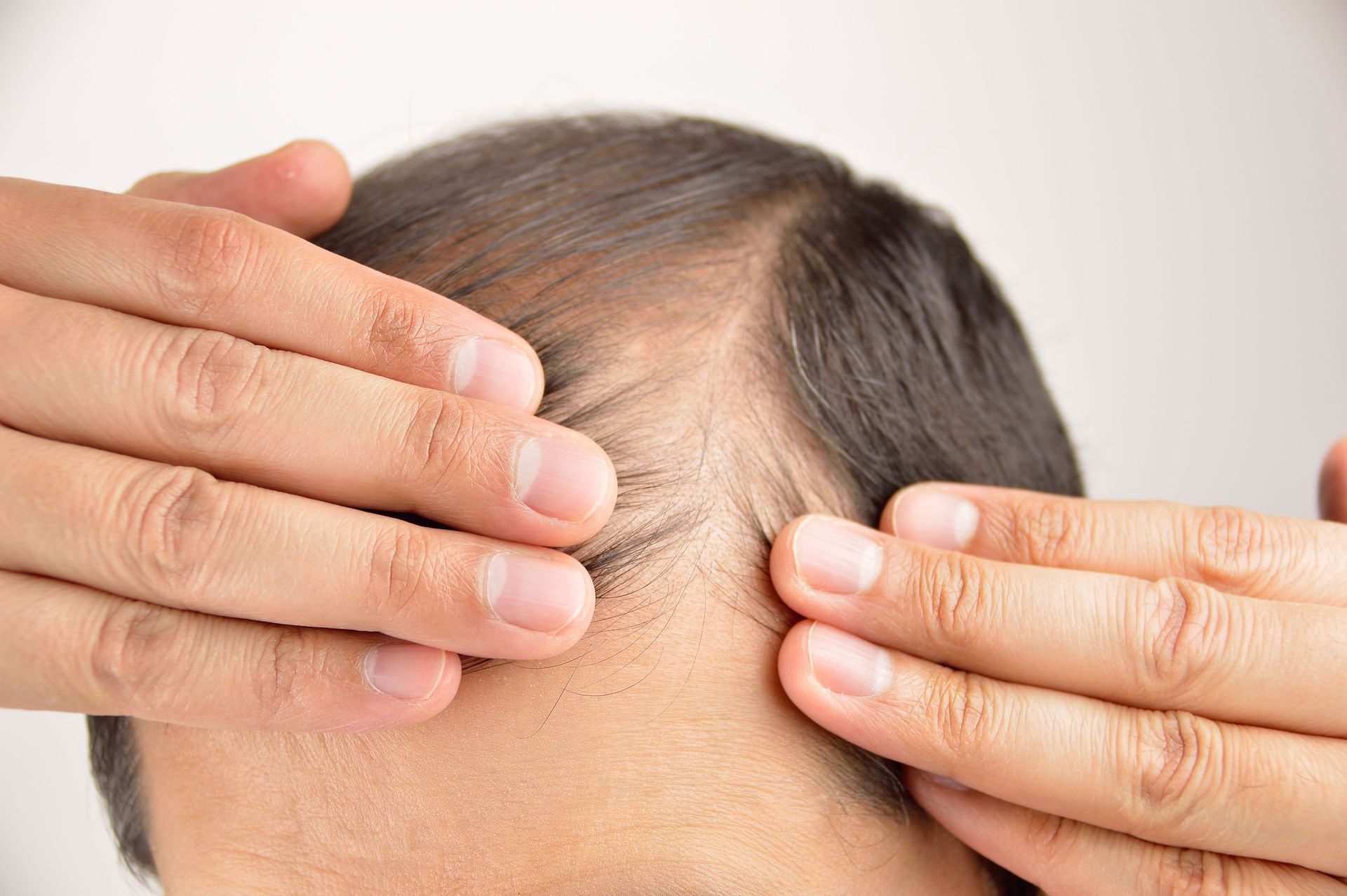
Hair restoration services refer to medical and surgical procedures designed to combat hair loss and promote regrowth. These services aim to improve the aesthetic appearance of individuals experiencing varying degrees of baldness or thinning. They range from non-surgical options such as medications and topical treatments to surgical procedures like hair transplants. The primary goal is to restore a natural appearance while enhancing the individual's self-esteem and self-image.
The evolution of these services underscores the healthcare industry's response to a widespread issue that affects not only the scalp but also psychological well-being. Recognizing the complexity of hair loss, practitioners tailor approaches to meet the unique needs of their clients. By understanding the integral components of hair restoration, individuals can better navigate their options and expectations. The burgeoning market reflects the demand and advancements in this field, paving the way for improved procedures and outcomes.
Determine Whether You're a Good Candidate
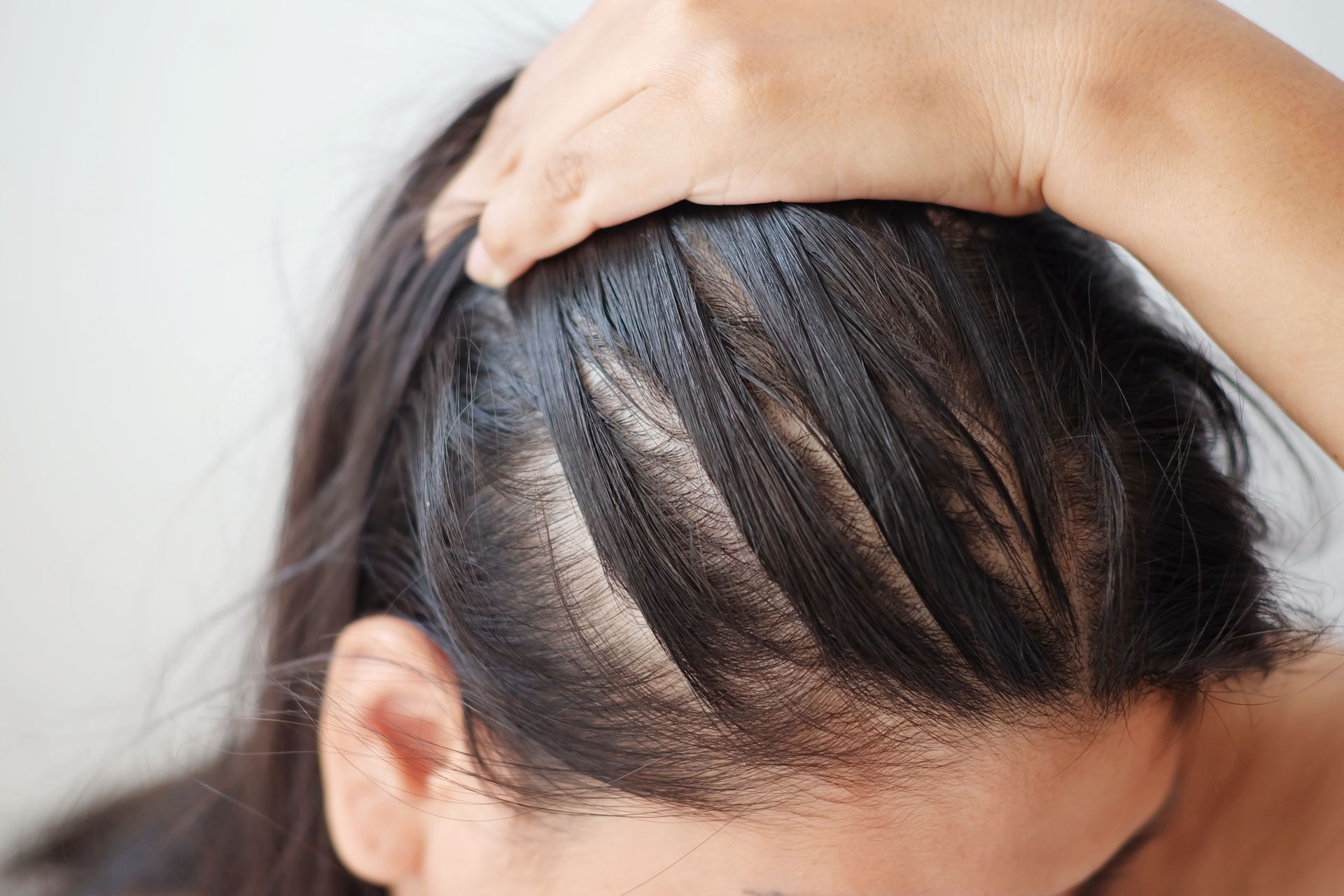
Hair restoration services are not exclusively beneficial for men, though traditionally viewed through this lens due to the prevalence of male-pattern baldness. Women also experience significant hair thinning, often resulting from hormonal changes, stress, or hereditary factors. Individuals of varying age groups and backgrounds can be suitable candidates, contingent on personalized assessments. Identifying ideal candidates requires a deeper understanding of the types and progressions of hair loss affecting them.
The primary beneficiaries typically include those experiencing early to moderate stages of hair loss who are healthy enough to undergo procedures. Individuals with realistic expectations and specific goals can greatly reap the benefits when they engage with experienced professionals. Understanding one's dermal health, medical history, and lifestyle is crucial in tailoring effective solutions. For those deterred by aesthetic concerns of balding or thinning, professional consultations serve as transformative gateways to potential solutions.
Evaluate the Effectiveness of Available Treatments
The success of hair restoration services varies based on chosen methods, patient physiology, and adherence to postoperative care. Generally, surgical procedures like hair transplants boast high effectiveness, with patient satisfaction often exceeding initial expectations. Non-surgical treatments typically require long-term commitment but can lead to visible improvements over time.
Multiple studies emphasize the importance of setting realistic expectations and defining success parameters in patient consultations. Understanding that individual responses can vary aids in managing perspectives and timelines for visible transformation. Ongoing technological advancements refine techniques, raising effectiveness and lowering recovery durations. According to IBISWorld, the market size of the U.S. hair loss treatment and removal industry is approximately $4.3 billion in 2026, reflecting the growing demand for these services and continued investment in innovative treatment options.
Learn How Hair Restoration Treatments Work
Comprehending the science behind hair restoration services involves recognizing the biological cycles of hair growth and loss. Hair follicles undergo stages of growth, rest, and shedding, influenced by genetic predispositions, hormonal balances, and lifestyle factors. Many treatments aim to encourage growth phases or to transplant healthy follicles to areas in need. The synergy of biology and technology grounds restoration efforts in scientifically substantiated protocols, driving forward innovation in treatment methodologies.
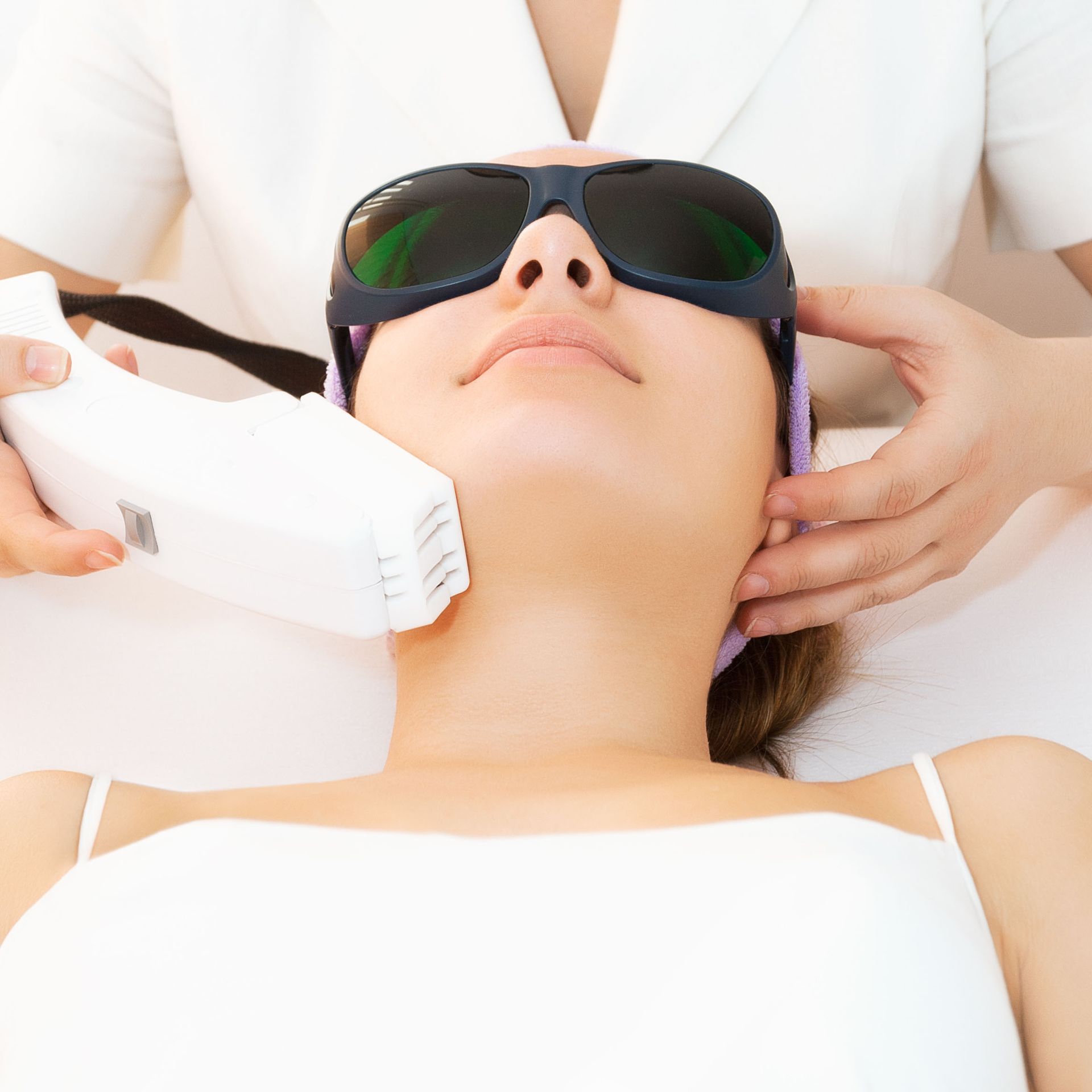
Hair transplants, for instance, work through meticulously harvesting follicles and relocating them to thinning regions, integrating seamlessly with surrounding hair. Laser therapy utilizes concentrated light to invigorate follicles, thereby stimulating activity and growth. Non-surgical applications often leverage medications to slow follicle recession and spur new growth. Each of these approaches illuminates a different aspect of the physiological mechanics tied to hair health, linking science with tangible outcomes.
Prepare for the Hair Restoration Process
The procedural journey of hair restoration services varies mildly depending on the chosen method, yet some commonalities exist. For surgical transplants, the process begins with an initial consultation, critical for evaluating hair density, scope of loss, and desired outcomes. Subsequent steps involve preparing the donor and recipient sites, with utmost precision guiding follicle extraction, placement, and implantation. This meticulous attention ensures natural-looking results that blend with existing hairlines.
In non-surgical treatments, the procedural steps differ primarily by the nature and application of the technique used. For instance, laser therapy sessions are routine and require minimal patient preparation, focusing instead on scheduling consistent treatments. Medications like topical solutions or oral drugs usually necessitate regular regimen adherence to optimize outcomes. Regardless of method, clearly understanding each phase from consultation to recovery empowers patients to better anticipate results and requirements.
Follow the Recommended Recovery and Aftercare Plan
Post-procedure recovery and aftercare form crucial components of the hair restoration process, pivotal for achieving optimal results. Surgical interventions typically require adequate rest, careful site management, and avoidance of strenuous activities for at least several days. Monitoring and adjustments in the initial weeks allow for any unforeseen complications to be addressed promptly. Adhering to prescribed aftercare, including keeping the scalp clean and following dietary recommendations, sustains and enhances recovery outcomes.
For non-surgical treatments, recovery revolves more around maintaining the consistency of usage, as these methods demand ongoing application rather than immediate downtime. Initial practices emphasize avoiding harsh chemical products on treated areas and establishing protective measures against external irritants like sunlight or pollutants. This stage is vital to nourish follicles during regeneration phases while being pivotal in maintaining procedural benefits long-term. Practitioners play an instrumental role during aftercare, guiding patients in managing any potential side effects and maximizing the longevity of results.
Set Realistic Expectations for Your Results
Entering into hair restoration services with realistic expectations profoundly impacts overall satisfaction and success. Despite technological advancements, it remains essential for individuals to understand the limits and potentials of procedures, avoiding inflated hopes that could lead to disappointment. Thorough preliminary consultations can help demystify anticipated outcomes, aligning patient goals with feasible procedural achievements. Providers must balance optimism with clarity, ensuring candidates appreciate the gradual realization of results.
Realistic expectations foster trust and promote positive patient-practitioner relationships essential throughout restoration processes. Through open dialogue, service providers elucidate potential benefits and risks, reinforcing informed decision-making rooted in fact-based understanding. This collaboration demystifies processes that might otherwise be shrouded in high expectation due diligence. By fostering a comprehensive grasp of the iterative nature of treatments, expectations revolve around long-term gains rather than instant miracles.
As individuals navigate the realm of hair restoration services, understanding the intricate details and potential outcomes remains a pivotal factor in making informed decisions. Integrating knowledge about available procedures, their effectiveness, and appropriate candidate profiles guides potential clients towards realistic choices. Empowered by accurate expectations and clear consultations, individuals can embark on a restoration journey with confidence and hope. With continuous advancements driving the industry, future candidates remain poised to access even more refined and successful hair restoration strategies. Reach out to Revitalize RX Infusion + Med Spa to learn more about our services today.

Share On: